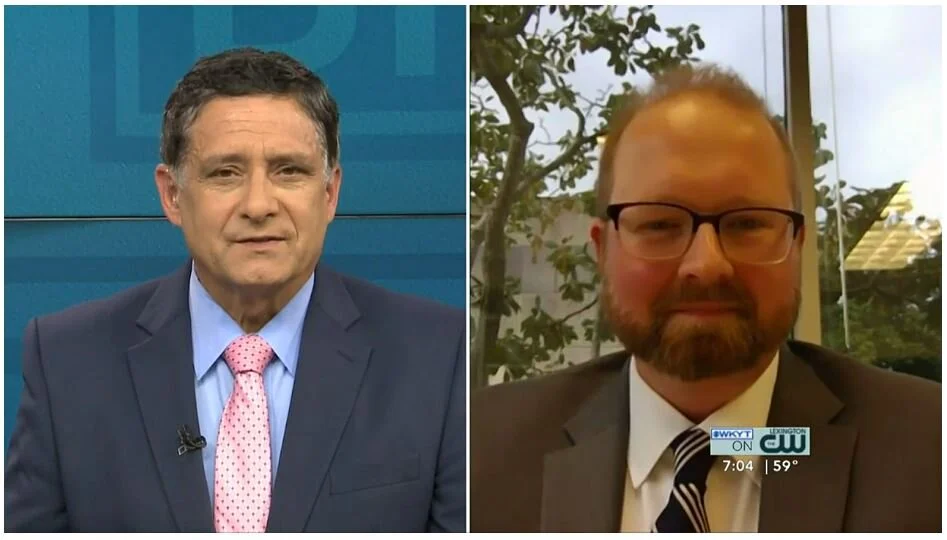

James Maxson, principal of Maxson Firm, said the decision is significant because unemployment misconduct must be based on evidence, not merely an employer’s characterization of events.
“This decision matters because unemployment misconduct cannot be created by forcing an employee to accept disputed blame in writing,” Maxson said. “If an employer claims a worker made disqualifying mistakes, those mistakes still have to be supported by evidence. An employee should not lose unemployment benefits simply because he refused to memorialize an accusation he reasonably disputed.”